Why You Should Protect a Plate: The Growing Risk of Number Plate Cloning
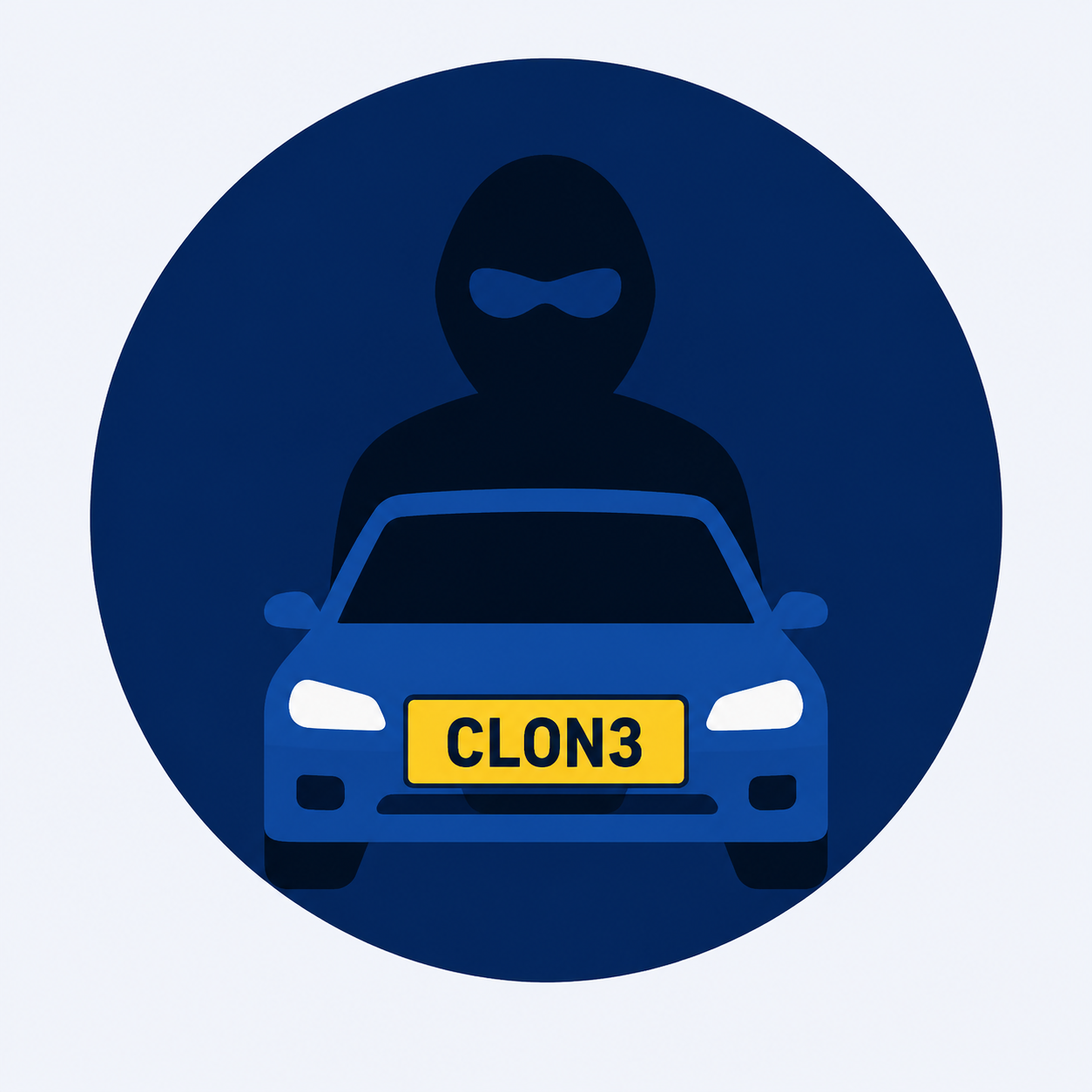
Number plate cloning is not a new problem, but it has become far more common in recent years. The concept is simple: someone copies your registration mark onto their own vehicle, often a near-identical model, and then uses it to commit motoring offences or avoid tolls and congestion charges. The victim, meanwhile, receives the fines, the penalty points, and the hassle of proving they were nowhere near the scene. For anyone who drives a car in the UK today, this is a risk that demands attention. The question is not whether cloning can happen to you, but what you can do about it. That is where services designed to protect a plate become relevant.
How Cloning Actually Works
Cloning relies on the fact that number plates are visible to anyone. A criminal walks past a car in a supermarket car park or on a residential street, notes down the registration, and orders a set of replica plates from a supplier who does not check the paperwork. In many cases the criminal will pick a car that matches their own model and colour, making it harder for ANPR cameras or police officers to spot the mismatch. Once the cloned plates are fitted, the criminal can drive through London's Ultra Low Emission Zone, speed on motorways, or even commit more serious offences, all while the real owner's name appears on the enforcement notice.
What makes this particularly insidious is that the genuine driver often has no idea anything is wrong until a letter arrives. By that time, weeks or months may have passed, and the burden of proof falls on the victim to show they were not behind the wheel. Gathering evidence of where you were on a given date, especially if it was an ordinary day, is harder than it sounds. Many people have been forced to pay fines they did not deserve simply because they could not provide an alibi for every journey their car made.
The Hidden Costs of a Cloned Identity
Financial penalties are only part of the picture. Penalty points on a licence can push up insurance premiums for years, and in some cases they can lead to a driving ban. If the cloned vehicle is involved in a hit-and-run or a crime that triggers a police investigation, the victim may face questioning and a lengthy process to clear their name. There is also the practical headache of dealing with the DVLA, the police, and the enforcement agencies, each of which may require different forms of evidence and follow different procedures.

Beyond the financial and legal consequences, there is a less discussed but equally important factor: the erosion of trust in the system. When your own registration mark can be used against you, it undermines the entire principle of vehicle identification. That is why the concept of a vehicle registration verification network has gained traction. The idea is to create a system where legitimate ownership can be verified quickly, making it much harder for cloned plates to go undetected.
What a Verification Network Does
A vehicle registration verification network acts as a central check on the status of a number plate. When a plate is reported as cloned, or when a suspicious match is detected, the network can alert the registered keeper in real time. This shifts the dynamic from reactive damage control to proactive protection. Instead of waiting for a penalty notice to arrive, the owner knows within hours or days that something is wrong and can take action before the misuse escalates.
For the system to work effectively, it relies on broad participation. The more vehicles that are registered and monitored, the harder it becomes for criminals to operate undetected. This is not about surveillance for its own sake; it is about creating a shared database of verified plates that can be cross-referenced when a discrepancy arises. Think of it as a neighbourhood watch for number plates, but one that operates at a national scale and can flag anomalies that a human observer would never notice.
Practical Ways to protect a plate Protect-A-Plate
So what can a driver actually do? The most straightforward step is to use a service that monitors your registration and alerts you to any unusual activity. Some of these services also provide a tamper-evident plate fixing system that makes it obvious if someone has removed your plates, though that is more about physical theft than cloning. The real value lies in the digital layer: a system that can detect when your plate is being used elsewhere and notify you immediately.
Services like protect a plate Protect-A-Plate exist for exactly this reason. They combine real-time alerts with a secure identity verification process that makes it harder for criminals to exploit your registration. The idea is not to prevent cloning entirely, which is nearly impossible given that plates are visible, but to catch it early and limit the damage. Early detection is everything. If you know within a day that your plate has been cloned, you can report it to the police and the DVLA before the fines start piling up. If you only find out months later, the situation is far messier.

There are also some simple habits that reduce your risk. Parking in well-lit areas with CCTV coverage can deter criminals who prefer to copy plates unnoticed. Fitting tamper-resistant screws makes it harder to steal your physical plates, though many cloners simply copy the characters rather than taking the plate itself. Regularly checking your vehicle's registration online for any unexpected penalty charges is another sensible routine. And if you sell a vehicle, make sure you notify the DVLA immediately and keep a record of the sale, because cloned plates are sometimes taken from vehicles that have been scrapped or exported.
The Limits of Police Enforcement
It would be convenient if the police could solve this problem on their own, but the reality is more complicated. A patrol officer might spot a cloned plate if they pull a vehicle over and run a check, but with limited resources and thousands of vehicles on the road, the chances of a random stop catching a cloner are low. Automatic number plate recognition cameras are more effective, but they only flag a plate if it is already on a watch list. The system is reactive, not preventive.
That leaves the burden on the individual driver. The law is clear that the registered keeper is liable for certain offences unless they can prove they were not driving. In practice, that means the victim has to do the detective work. A verification network changes this by providing a centralised record of when and where your plate was legitimately used, creating a reference that can be checked against any alleged offence.
What to Look for in a Protection Service
Not all plate protection services are the same. The key features worth looking for include real-time alerts, a straightforward reporting process, and integration with official databases. Some services also offer a verification certificate that you can present to enforcement agencies as evidence that you have taken reasonable steps to secure your plate. While this does not automatically exonerate you, it does show that you were proactive, which can help when disputing a penalty.
Another factor to consider is how the service handles data security. If you are registering your vehicle details with a third party, you need to be confident that your information will not be misused. Reputable services use encryption and follow data protection regulations, but it is worth checking before you sign up. The goal is to reduce your risk, not to create a new one by handing your personal data to someone who cannot protect it.
Making Protection Part of Your Routine
Registering for a verification service takes a few minutes. The ongoing effort is minimal: you receive alerts when something happens, and you act on them if necessary. For most people, the time investment is trivial compared to the hours it takes to sort out a cloned plate mess. The challenge is remembering to do it before the problem arises. Plate cloning is one of those risks that feels abstract until it happens to you, and by then it is too late to be proactive.
The rise of automated enforcement, low emission zones, and online penalty payment systems has made cloning more attractive to criminals. The same technology that makes our roads safer in many ways also creates new vulnerabilities. But the tools to fight back exist, and they are becoming more accessible. The decision to protect a plate Protect-A-Plate is a small step that can save a great deal of trouble. It is not a silver bullet, but in a world where cloned plates are increasingly common, it is a sensible precaution that every driver should consider.
 Twitter
 Facebook
 Instagram